Mingle254 Blog
How to Deal with a Toxic Partner and Protect Your Emotional Health
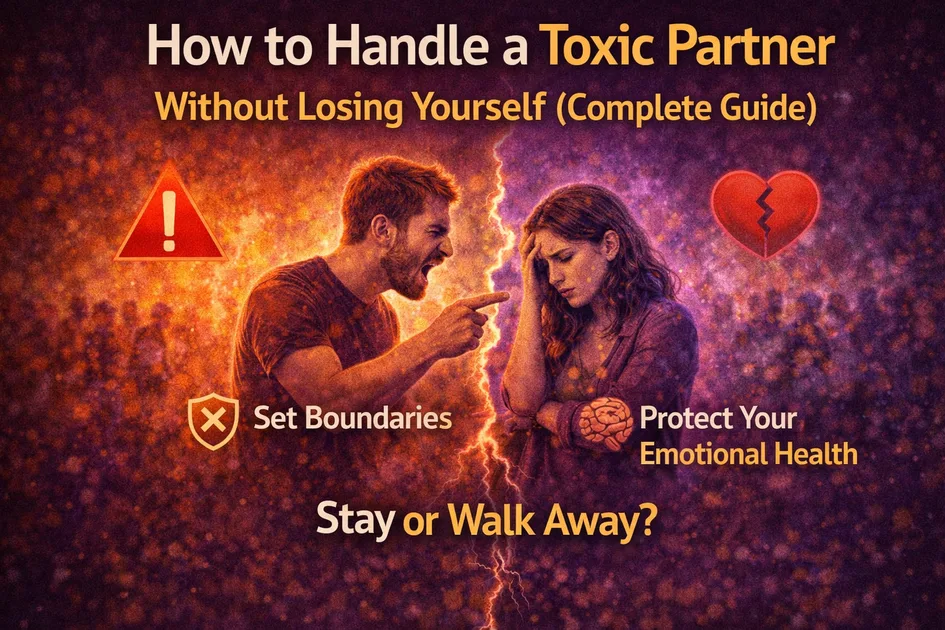
💔 How to Handle a Toxic Partner Without Losing Yourself (Complete Guide)
Introduction: When Love Starts to Feel Draining
At the beginning, everything may have felt right.
But now:
- You feel emotionally exhausted
- You question yourself more often
- You feel confused, hurt, or even anxious
And yet… you still care about them.
This is where many people find themselves stuck:
Loving someone who is slowly hurting them.
You may be asking:
- “How do I deal with this without breaking myself?”
- “Can this relationship be fixed?”
- “Am I overreacting?”
If you're unsure whether what you're experiencing is truly toxic, start here: 👉 12 Signs You’re in a Toxic Relationship and What to Do Next
What This Guide Will Help You Do
- Identify toxic behavior clearly
- Protect your mental and emotional health
- Set boundaries without losing yourself
- Decide whether to stay or walk away
🧠 What Is a Toxic Partner (Really)?
A toxic partner is not just someone who makes mistakes.
It’s someone whose behavior consistently harms your emotional well-being.
This can include:
- Manipulation
- Disrespect
- Control
- Emotional inconsistency
- Blame-shifting
The key word is pattern — not one-time behavior.
🚩 Common Signs of a Toxic Partner
Recognizing the signs is the first step.
❌ 1. They Make You Doubt Yourself (Gaslighting)
- “You’re overreacting”
- “That never happened”
- “You’re too sensitive”
Over time, you start questioning your own reality.
To understand this deeper, read: 👉 12 Signs of Gaslighting in Relationships (And What to Do Next)
❌ 2. They Are Inconsistent
- Loving one moment
- Cold or distant the next
This creates emotional confusion and dependency.
❌ 3. They Disrespect Your Boundaries
- Ignoring your needs
- Pushing past your limits
Your comfort is not a priority.
❌ 4. They Blame You for Everything
Even when they’re wrong:
Somehow, it becomes your fault.
❌ 5. You Feel Drained More Than Happy
Ask yourself:
- Do I feel peaceful… or constantly stressed?
Your emotional state is a major indicator.
If you want a broader breakdown of toxic patterns, read: 👉 Toxic Relationship Signs: 12 Red Flags You Should Never Ignore
💔 Why It’s So Hard to Leave a Toxic Relationship
If it’s hurting you, why not just leave?
Because it’s not that simple.
🧠 1. Emotional Attachment
You remember:
- The good moments
- Who they used to be
This keeps you hoping.
🎭 2. The “Potential” Trap
You believe:
“They can change.”
But:
Change only happens when they choose it — not when you hope for it.
💔 3. Fear of Being Alone
Sometimes staying feels easier than:
Starting over.
🔁 4. The Cycle of Highs and Lows
Toxic relationships often alternate between:
- Intense affection
- Emotional pain
This creates a powerful emotional bond.
If this feels familiar, this will help you understand why: 👉 Why People Stay in Unhealthy Relationships (And How to Break Free)
🛠️ How to Handle a Toxic Partner Without Losing Yourself
✅ 1. Acknowledge the Reality (Without Excuses)
Stop minimizing the behavior.
Ask yourself:
- If a friend was in this situation, what would I tell them?
Clarity breaks denial.
🧠 2. Separate Love From Behavior
You can love someone and still recognize:
Their behavior is harmful.
Love is not a reason to tolerate disrespect.
💬 3. Set Clear Boundaries
Boundaries protect your emotional space.
Examples:
- “I will not accept disrespectful language.”
- “If this continues, I will step away.”
And most importantly: follow through.
⚖️ 4. Stop Over-Explaining Yourself
You don’t need to:
- Justify your feelings
- Convince them to understand
Your feelings are valid.
💪 5. Rebuild Your Self-Worth
Toxic relationships often damage confidence.
Start:
- Keeping promises to yourself
- Prioritizing your needs
- Reminding yourself of your value
The stronger your self-worth, the less you tolerate.
🧘♀️ 6. Protect Your Emotional Energy
Limit:
- Arguments that go nowhere
- Repetitive explanations
- Emotional exhaustion
Not every battle is worth fighting.
💬 7. Communicate — But Don’t Expect Transformation
You can express:
- How you feel
- What you need
But:
Don’t expect immediate change.
Watch actions, not promises.
⏳ 8. Observe Patterns, Not Apologies
Toxic partners often:
- Apologize
- Repeat the same behavior
Change is shown through consistency — not words.
🛑 9. Know When It’s Time to Leave
This is the hardest step.
Signs it’s time:
- No real change over time
- Repeated disrespect
- Emotional exhaustion
- Loss of self-worth
Staying too long costs more than leaving.
If you reach that point, follow this guide: 👉 How to Leave a Toxic Relationship Safely (Step-by-Step Guide)
⚖️ Staying vs Leaving: Be Honest With Yourself
Ask:
- [ ] Am I respected?
- [ ] Is there consistent effort to improve?
- [ ] Do I feel safe emotionally?
- [ ] Am I losing myself in this relationship?
Your answers will guide your decision.
❤️ If You Choose to Stay (For Now)
Be realistic.
Focus on:
- Strong boundaries
- Clear expectations
- Protecting your emotional health
Always be aware of when it becomes too much.
💔 If You Choose to Leave
It will not be easy.
Expect:
- Emotional withdrawal
- Doubt
- Missing them
But also:
- Peace
- Clarity
- Self-respect
🧠 Final Thoughts
Handling a toxic partner is not about:
- Fixing them
- Saving the relationship
It’s about protecting yourself.
Because:
Love should not feel like constant pain.
💬 Let’s Talk
Have you ever stayed in a relationship longer than you should have?
🔥 Final Takeaway
You don’t lose someone by choosing yourself — you find yourself.
📚 Related Reads