Mingle254 Blog
How to Spot Fake Profiles on Dating Apps: The Complete Guide to Protecting Yourself from Scammers
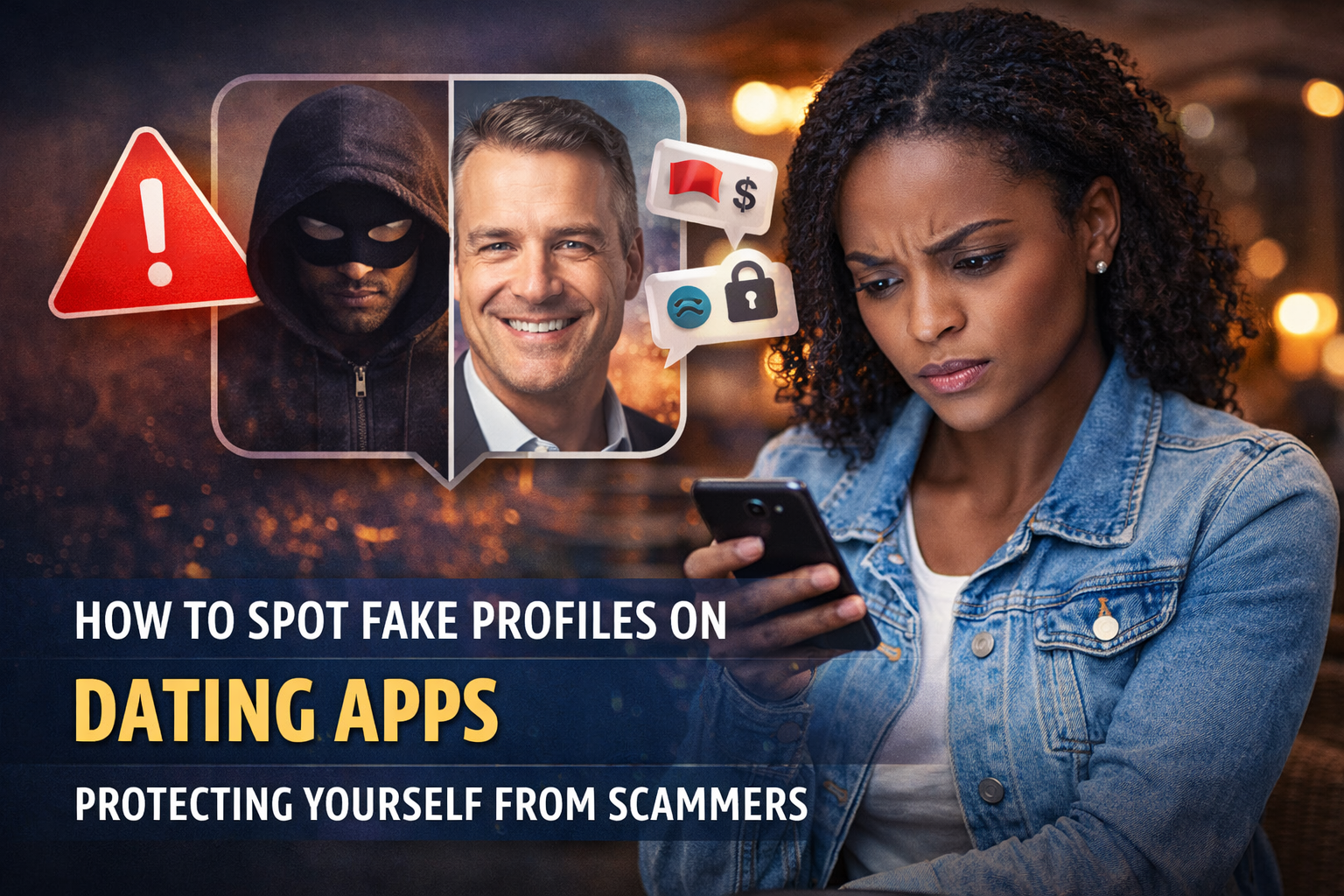
💔 How to Spot Fake Profiles on Dating Apps in Kenya (Complete Guide)
Online dating in Kenya is growing rapidly.
From Nairobi to Kisumu, more people are using dating apps to meet new people, build relationships, and create meaningful connections.
But alongside real connections, there is a serious problem:
fake profiles.
These profiles are not just harmless — many are designed to manipulate, deceive, and exploit users.
The good news?
You can protect yourself.
This complete guide will show you how to spot fake profiles on dating apps, understand how they work, and avoid becoming a victim.
If you’ve ever felt unsure about online interactions, this will also help: 👉 Why Meaningful Connections Matter More Than Swiping (A Better Way to Date in Kenya)
What Is a Fake Profile?
A fake profile is an account created using false identity details.
This can include:
- Stolen photos
- Fake names
- False personal information
- Completely made-up personalities
These profiles are often created with a clear goal:
- Financial scams
- Emotional manipulation
- Data collection
- Exploitation
Not all fake profiles are obvious. Some are extremely convincing.
Why Fake Profiles Exist on Dating Apps
To protect yourself, you need to understand why these profiles exist.
1. Financial Scams
This is the most common reason.
Scammers:
- Build trust
- Create emotional connection
- Introduce a problem
- Ask for money
Examples:
- “I need help with transport”
- “I’m stuck and need emergency money”
- “I want to visit you but need support”
Once money is sent, they disappear.
2. Emotional Manipulation
Some fake profiles are designed to create emotional dependency.
They may:
- Give you constant attention
- Say exactly what you want to hear
- Act deeply invested very quickly
This is usually a setup for a later scam.
3. Catfishing (Fake Identity)
Some people create fake profiles for:
- Attention
- Control
- Escaping their real identity
Even if no money is involved, this can cause real emotional harm.
The Psychology Behind Fake Profiles
Fake profiles succeed because they understand human behavior.
They rely on three key tactics:
1. Speed
They move fast to build trust before you start questioning things.
2. Emotion
They trigger feelings like:
- Attraction
- Sympathy
- Urgency
3. Pressure
They push you to act quickly before you think clearly.
Once you recognize these patterns, you become much harder to scam.
The Most Common Signs of a Fake Profile
Here are the biggest red flags to watch out for.
🚩 1. Photos That Look Too Perfect
If a profile has:
- Model-level photos
- Professional studio images
- Unrealistic perfection
Be careful.
Real people usually have:
- Casual photos
- Mixed quality images
- Natural imperfections
🚩 2. Very Little Profile Information
Fake profiles often have:
- Short bios
- Generic descriptions
- No real personal details
Example:
“I’m a simple person who loves life.”
This tells you nothing.
🚩 3. Fast Emotional Attachment
If someone:
- Gets attached too quickly
- Uses romantic language early
- Acts like you already have a deep connection
This is a major warning sign.
🚩 4. Avoiding Video or Voice Calls
A real person will usually be open to:
- Video calls
- Voice calls
Fake profiles often avoid this completely.
🚩 5. Asking to Move Off the App Quickly
They may say:
- “Let’s chat on WhatsApp”
- “I don’t like this app”
This removes platform safety protections.
🚩 6. Inconsistent Stories
If their story keeps changing:
- Job
- Location
- Background
Something is wrong.
🚩 7. Asking for Money
This is the clearest sign of all.
No real connection will:
- Ask for money early
- Create sudden emergencies
- Pressure you financially
Never send money to someone you met online.
If you want to understand behavioral warning signs more deeply, read: 👉 15 Red Flags You Should Never Ignore in a Relationship (Complete Guide)
How a Dating Scam Typically Happens
Here is a common real-life pattern:
- You match with someone attractive
- They respond quickly and warmly
- They show strong interest in you
- They move the conversation off the app
- They create a personal problem
- They ask for money
- They disappear
Once you understand this pattern, you can stop it early.
How to Protect Yourself from Fake Profiles
Now let’s focus on what you should do.
1. Take Your Time
Do not rush into trust.
Real connections develop naturally.
2. Ask Questions
Fake profiles often struggle with:
- Specific details
- Consistent answers
Ask simple questions and observe carefully.
3. Use Video Verification
If possible:
- Request a video call
- Confirm identity visually
This alone eliminates many fake accounts.
4. Stay on the App
Dating platforms like Mingle254 are designed to:
- Monitor behavior
- Provide reporting tools
- Improve user safety
Leaving the app too early removes that protection.
5. Never Send Money
No matter how convincing the story is.
Once money is sent, it is almost impossible to recover.
6. Trust Your Instincts
If something feels off:
- It probably is
Do not ignore that feeling.
What To Do If You Find a Fake Profile
Act immediately:
- Stop engaging
- Report the account
- Block the user
This protects both you and other users.
How Mingle254 Helps Reduce Fake Profiles
A strong dating platform goes beyond matching people.
Mingle254 is designed to:
- Detect suspicious behavior
- Remove fake accounts
- Provide user safety tools
- Promote real interactions
The goal is simple:
Create a safer space for genuine connections.
Why Awareness Is Your Best Protection
Technology helps, but awareness is your strongest defense.
When you:
- Understand patterns
- Recognize red flags
- Stay in control
You become very difficult to scam.
🧠 Final Thoughts
Fake profiles are a reality of online dating.
But they are not unbeatable.
The more you understand how they work, the easier it becomes to avoid them.
Stay aware. Stay patient. Stay in control.
💬 Let’s Talk
Have you ever encountered a fake profile online?
🔥 Final Takeaway
The safest connections come from awareness, patience, and choosing quality over speed.
📚 Related Reads