Mingle254 Blog
15 Signs of Emotional Abuse (And How to Protect Yourself)
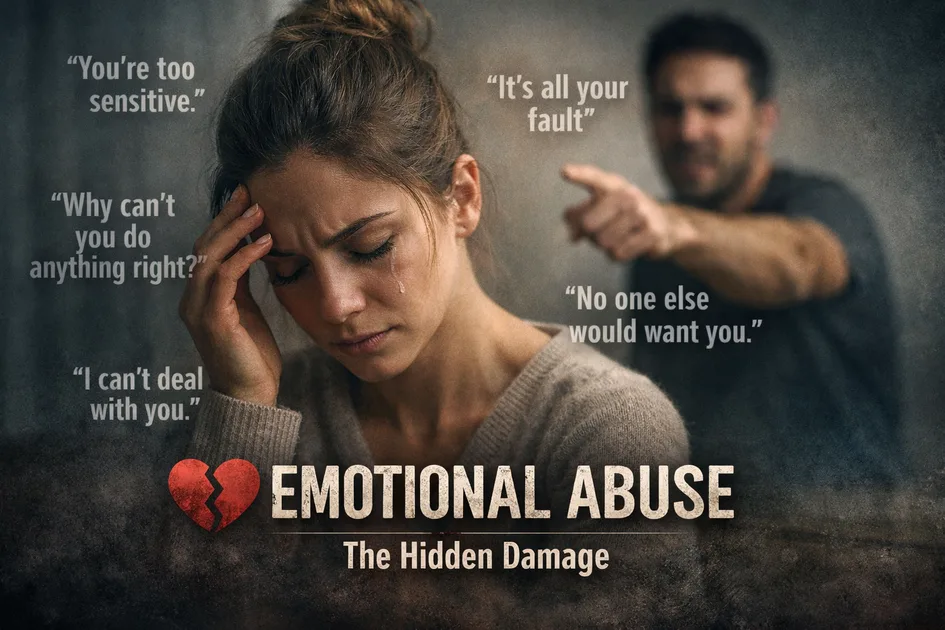
💔 Emotional Abuse: The Signs Most People Miss (And How to Protect Yourself)
Introduction: When the Damage Isn’t Visible — But It’s Real
Not all abuse leaves physical marks.
Sometimes, it looks like:
- Feeling constantly confused
- Walking on eggshells
- Doubting yourself
- Feeling emotionally drained
And because there are no visible wounds, you may question:
- “Is this really abuse?”
- “Am I overreacting?”
If you're unsure whether your relationship has become unhealthy, start here: 👉 12 Signs You’re in a Toxic Relationship and What to Do Next
Emotional abuse is real — and it can be just as damaging as physical abuse.
What This Guide Will Help You Do
- Understand emotional abuse clearly
- Recognize the subtle signs most people miss
- Protect yourself and begin regaining your strength
🧠 What Is Emotional Abuse?
Emotional abuse is:
A pattern of behavior that undermines your self-worth, confidence, and emotional well-being.
It often includes:
- Manipulation
- Control
- Criticism
- Intimidation
- Emotional neglect
It doesn’t always look extreme — sometimes it’s quiet, subtle, and gradual.
🚩 15 Signs of Emotional Abuse Most People Miss
These are not always obvious — that’s why they’re dangerous.
❌ 1. Constant Criticism (Disguised as “Advice”)
- “I’m just trying to help you improve”
- Frequent negative comments
It slowly lowers your confidence.
❌ 2. You Feel Like You’re Never Enough
No matter what you do:
It’s not good enough.
❌ 3. Gaslighting (Making You Doubt Yourself)
- Denying events
- Twisting reality
You begin to question your own mind.
To understand this deeply, read: 👉 12 Signs of Gaslighting in Relationships (And What to Do Next)
❌ 4. Silent Treatment
They:
- Ignore you
- Withdraw communication
This is used as punishment.
❌ 5. Controlling Behavior
- Monitoring your actions
- Limiting your independence
Control replaces freedom.
If you're noticing control patterns, read: 👉 10 Signs of a Controlling Partner (And How to Protect Yourself Early)
❌ 6. Emotional Manipulation
They use:
- Guilt
- Fear
- Obligation
To influence your behavior.
❌ 7. Blame-Shifting
Even when they’re wrong:
It becomes your fault.
❌ 8. Public or Private Humiliation
- Mocking you
- Embarrassing you
This damages self-esteem.
❌ 9. Withholding Affection
They:
- Become cold intentionally
To control your emotions.
❌ 10. You Feel Anxious Around Them
You:
- Overthink what to say
- Fear their reaction
This is not emotional safety.
❌ 11. Isolation
They:
- Distance you from friends/family
This increases dependence.
❌ 12. You Apologize Constantly
Even when:
You’re not sure what you did wrong.
❌ 13. Your Confidence Drops Over Time
You:
- Doubt yourself more
- Feel less secure
This is a major sign.
❌ 14. You Feel Trapped
You feel:
Stuck, unable to leave or change things.
❌ 15. You Don’t Feel Like Yourself Anymore
You’ve changed:
To survive the relationship.
💔 Why Emotional Abuse Is Hard to Recognize
🧠 1. It Happens Gradually
It starts small:
Then grows over time.
💭 2. It’s Often Mixed With Good Moments
You experience:
- Kindness
- Followed by harm
This creates confusion.
💔 3. You Start Blaming Yourself
You think:
“Maybe it’s me.”
🎭 4. There Are No Visible Signs
Which makes it easier to deny.
💔 The Impact of Emotional Abuse
Over time, it can affect:
🧠 Mental Health:
- Anxiety
- Depression
- Self-doubt
💭 Identity:
- Loss of confidence
- Feeling lost
❤️ Emotional State:
- Fear
- Confusion
- Exhaustion
It slowly breaks your sense of self.
🛠️ How to Protect Yourself
This is where healing begins.
✅ 1. Acknowledge What’s Happening
Stop minimizing.
If it hurts consistently — it matters.
🧠 2. Trust Your Feelings
You feel:
- Confused
- Drained
That is valid.
💬 3. Speak Up (If Safe to Do So)
Express:
- What you feel
- What you need
But observe their response.
⚖️ 4. Set Boundaries
Example:
“I will not accept being spoken to like that.”
Boundaries protect your emotional space.
💪 5. Rebuild Your Self-Worth
Start:
- Reconnecting with yourself
- Affirming your value
You are not what they made you feel.
🚫 6. Limit Emotional Engagement
Don’t:
- Engage in manipulative cycles
Protect your energy.
🛑 7. Consider Leaving
If:
- There is no change
- The behavior continues
Leaving may be necessary for your well-being.
If you’re ready for that step, this guide will help you do it safely: 👉 How to Leave a Toxic Relationship Safely (Step-by-Step Guide)
⚖️ Emotional Abuse vs Normal Conflict
🟢 Healthy Conflict:
- Respect exists
- Both sides are heard
- Issues are resolved
🔴 Emotional Abuse:
- Repeated harm
- Control and manipulation
- Loss of self-worth
The difference is safety vs harm.
🧾 Self-Check
Ask yourself:
- [ ] Do I feel safe expressing myself?
- [ ] Do I feel respected?
- [ ] Has my confidence decreased?
- [ ] Do I feel like myself?
These answers matter.
🧠 Final Thoughts
Emotional abuse is not always loud.
Sometimes it’s quiet — but deeply damaging.
You deserve:
- Respect
- Safety
- Peace
💬 Let’s Talk
Have you ever experienced something that felt “off” but you couldn’t explain?
🔥 Key Takeaway
If a relationship consistently makes you feel small, it’s not love — it’s harm.
📚 Related Reads