Mingle254 Blog
10 Signs of a Controlling Partner (And How to Protect Yourself Early)
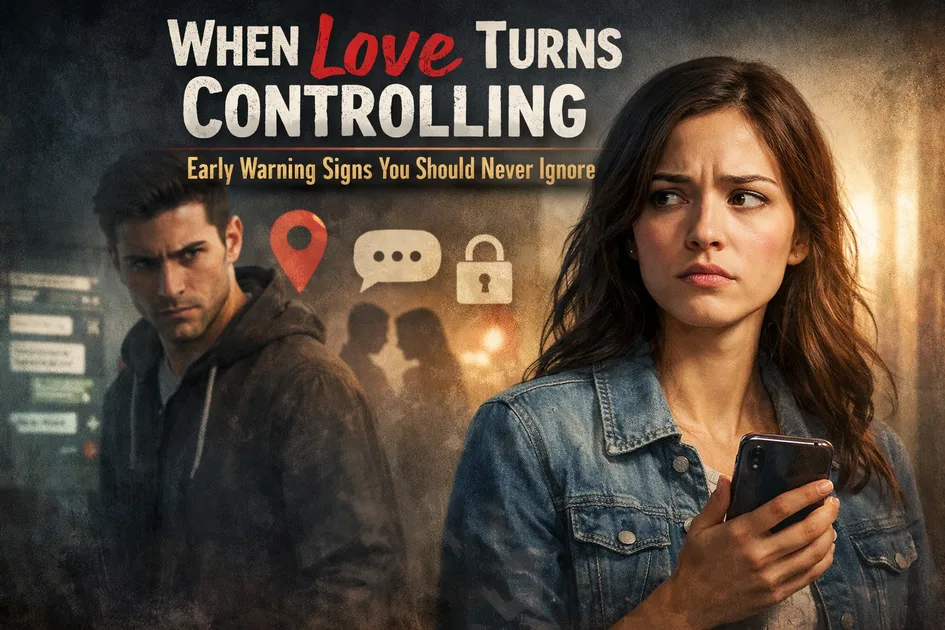
💔 When Love Turns Controlling: Early Warning Signs You Should Never Ignore
Introduction: When Care Starts to Feel Like Control
At the beginning, it may feel like love.
They:
- Check on you often
- Want to know where you are
- Care about your decisions
It can feel like protection, attention, and deep interest.
But over time, something changes:
- You feel monitored instead of cared for
- You feel restricted instead of supported
- You start losing your freedom
And you begin to wonder: “Is this love… or control?”
If you're unsure whether what you're experiencing is already unhealthy, read: 👉 12 Signs You’re in a Toxic Relationship and What to Do Next
What This Guide Will Help You Do
- Recognize early signs of controlling behavior
- Understand how it develops
- Protect yourself before it becomes harmful
🧠 What Is Controlling Behavior in a Relationship?
Controlling behavior is:
When one partner tries to influence, limit, or dominate the other’s choices, actions, or independence.
Important:
- It doesn’t always start aggressively
- It often begins subtly
That’s why it’s easy to miss.
🚩 Early Warning Signs Love Is Turning Controlling
These are the signs most people ignore at the beginning.
❌ 1. They Want to Know Everything You’re Doing
- “Where are you?”
- “Who are you with?”
- “What are you doing now?”
At first it feels like care — but it can become monitoring.
❌ 2. They Get Upset When You Don’t Respond Quickly
- Expecting instant replies
- Feeling offended if you delay
This creates pressure and anxiety.
❌ 3. They Try to Influence Your Decisions
- What you wear
- Who you talk to
- What you do
Slowly, your choices become limited.
❌ 4. They Show Jealousy Early On
- Questioning your interactions
- Feeling threatened by others
Excessive jealousy is not love — it’s insecurity.
❌ 5. They Move the Relationship Too Fast
- Pushing commitment quickly
- Wanting exclusivity early
Fast progression reduces your ability to evaluate clearly.
❌ 6. They Isolate You Subtly
- Disliking your friends
- Creating tension with family
Isolation increases dependence.
❌ 7. They Make You Feel Guilty for Independence
- “Why do you need time alone?”
- “Why don’t you want to be with me?”
Independence becomes something you must justify.
❌ 8. They Disguise Control as “Concern”
- “I’m just worried about you”
- “I’m protecting you”
Control often hides behind care.
❌ 9. They React Strongly to Small Things
- Overreacting
- Creating conflict over minor issues
This creates fear and caution.
❌ 10. You Start Adjusting Yourself to Avoid Conflict
You may:
- Change your behavior
- Avoid certain topics
- Limit your actions
This is where control begins to affect you.
If these patterns feel familiar, this may help you go deeper: 👉 15 Signs of Emotional Abuse (And How to Protect Yourself)
💔 How Controlling Behavior Develops Over Time
Control rarely starts obvious.
🔁 Step 1: Attention and Intensity
- Lots of communication
- Strong interest
🔁 Step 2: Subtle Influence
- Small suggestions
- Mild jealousy
🔁 Step 3: Increased Control
- More restrictions
- Emotional pressure
🔁 Step 4: Dependency
- You feel limited
- You rely on them more
By the time it’s obvious, it’s harder to leave.
💔 Why It’s Easy to Miss These Signs
🧠 1. It Feels Like Love at First
Attention can feel like:
Care and affection.
❤️ 2. Emotional Attachment Builds Quickly
You become:
Invested early.
💭 3. You Justify Their Behavior
You think:
- “They care about me”
- “They’re just protective”
🎭 4. It Happens Gradually
Small changes:
Add up over time.
🛠️ What to Do If You Notice These Signs
This is where you protect yourself early.
✅ 1. Acknowledge the Behavior Honestly
Don’t minimize it.
Ask:
“Do I feel free or controlled?”
💬 2. Communicate Your Boundaries
Say:
- “I value my independence”
- “I need space to make my own decisions”
⚖️ 3. Observe Their Reaction
Do they:
- Respect your boundaries?
- Or push back and dismiss them?
This tells you everything.
💪 4. Maintain Your Independence
Keep:
- Your friendships
- Your activities
- Your identity
Don’t shrink yourself.
🚫 5. Don’t Confuse Control With Care
Ask:
“Does this make me feel safe or restricted?”
🛑 6. Be Ready to Walk Away Early
The earlier you leave, the easier it is.
If you reach that point, this guide will help you do it safely: 👉 How to Leave a Toxic Relationship Safely (Step-by-Step Guide)
⚖️ Healthy Love vs Controlling Behavior
| Healthy Love ❤️ | Controlling Behavior ❌ |
|---|---|
| Supports independence | Limits independence |
| Respects boundaries | Ignores boundaries |
| Builds trust | Creates fear |
| Encourages growth | Restricts growth |
| Feels safe | Feels restrictive |
🧾 Self-Check
Ask yourself:
- [ ] Do I feel free to make my own choices?
- [ ] Do I feel respected?
- [ ] Am I changing myself to avoid conflict?
- [ ] Do I feel safe or restricted?
Your answers matter.
🧠 Final Thoughts
Control does not start loudly.
It starts quietly — and grows over time.
The key is:
- Awareness
- Boundaries
- Self-respect
Because:
Love should feel like freedom, not restriction.
💬 Let’s Talk
Have you ever experienced controlling behavior that didn’t seem obvious at first?
🔥 Key Takeaway
If you feel like you’re losing your freedom, it’s not love — it’s control.
📚 Related Reads