
Mingle254 Blog
Why It’s So Hard to Leave a Toxic Relationship (And How to Break Free)
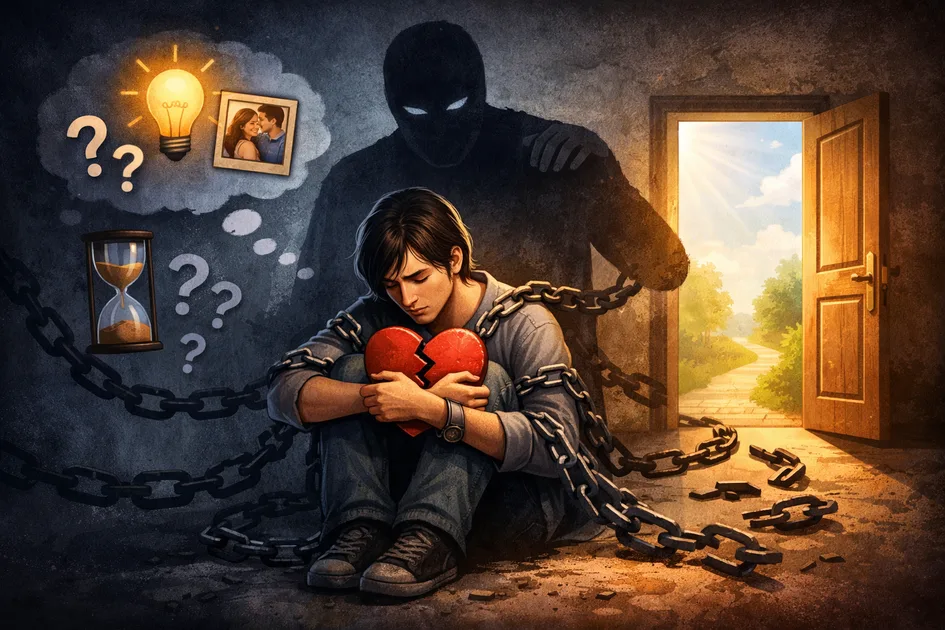
💔 Why People Stay in Unhealthy Relationships (And How to Break Free)
Introduction: It’s Not Weakness — It’s Complexity
From the outside, it seems simple:
“If it’s unhealthy, just leave.”
But if you’ve ever been in that situation, you know:
It’s not that easy.
You may feel:
- Hurt… but still attached
- Drained… but still hopeful
- Confused… but unable to walk away
And you start asking yourself:
- “Why am I still here?”
- “What’s wrong with me?”
If you're unsure whether your relationship is unhealthy, start here: 👉 12 Signs You’re in a Toxic Relationship and What to Do Next
Staying in an unhealthy relationship is not about weakness — it’s about emotional, psychological, and sometimes practical factors.
What This Guide Will Help You Do
- Understand why people stay
- Recognize what’s keeping you stuck
- Learn how to break free in a healthy, realistic way
🧠 What Is an Unhealthy Relationship?
An unhealthy relationship is one where:
- Your emotional needs are not met
- There is imbalance, disrespect, or control
- You feel worse over time
It doesn’t always look extreme — sometimes it’s subtle, but still damaging.
If you're experiencing deeper emotional harm, read: 👉 15 Signs of Emotional Abuse (And How to Protect Yourself)
💔 The Real Reasons People Stay
🧠 1. Emotional Attachment (Even When It Hurts)
Love doesn’t disappear just because something is wrong.
You may still:
- Care deeply
- Miss the good moments
- Feel connected
This makes leaving incredibly difficult.
🔁 2. The Cycle of Highs and Lows
Unhealthy relationships often include:
- Intense love
- Followed by pain
This creates a strong emotional bond.
You may think:
“Maybe it will go back to how it was.”
💭 3. Hope for Change
You believe:
“They will change.”
You hold onto:
- Promises
- Apologies
- Potential
Hope without action leads to repeated disappointment.
💔 4. Fear of Being Alone
You may think:
- “What if I don’t find someone else?”
- “Starting over is too hard”
So you choose familiarity over uncertainty.
🧠 5. Low Self-Worth
You may feel:
- “This is the best I can get”
- “I don’t deserve better”
You begin to accept less than you should.
🎭 6. Emotional Dependence
You rely on them for:
- Validation
- Comfort
- Identity
Leaving can feel like losing a part of yourself.
⚖️ 7. Investment (Time, Energy, History)
You’ve already invested:
- Time
- Emotions
- Memories
You may think:
“I’ve come this far… I can’t leave now.”
This is known as the sunk cost trap.
🧠 8. Confusion and Mixed Signals
You experience:
- Good moments
- Followed by bad ones
This makes it hard to see the relationship clearly.
If you often feel confused about reality in your relationship, this may explain why: 👉 12 Signs of Gaslighting in Relationships (And What to Do Next)
🛡️ 9. Fear of Conflict or Consequences
You may fear:
- Their reaction
- Arguments
- Emotional fallout
So you avoid leaving to avoid confrontation.
🌍 10. External Pressure
Sometimes:
- Family
- Culture
- Social expectations
Encourage staying.
💔 The Cost of Staying Too Long
This is important.
You may lose:
- Confidence
- Emotional stability
- Your sense of self
You may feel:
- Constant anxiety
- Emotional exhaustion
- Confusion
The longer you stay, the deeper the impact.
🛠️ How to Break Free (Step-by-Step)
✅ Step 1: Acknowledge the Reality
Stop minimizing.
Ask:
“Is this relationship truly healthy for me?”
🧠 Step 2: Separate Love From Reality
You can:
- Love someone
And still:
Recognize the relationship is unhealthy.
💬 Step 3: Talk About It Honestly
Express:
- What you feel
- What is not working
Then observe their response.
⚖️ Step 4: Stop Relying on Hope Alone
Ask:
Is there real change — or just promises?
Action matters.
💪 Step 5: Rebuild Your Self-Worth
Start:
- Valuing yourself
- Setting boundaries
- Prioritizing your needs
You deserve better.
🚫 Step 6: Break the Emotional Dependency
Reconnect with:
- Friends
- Activities
- Yourself
Build a life outside the relationship.
🛑 Step 7: Make a Decision (And Commit to It)
Decide:
- Stay with clear boundaries OR
- Leave for your well-being
This is your turning point.
❤️ Step 8: Accept That It Will Be Hard
Leaving is not easy.
You may feel:
- Sad
- Doubtful
- Tempted to go back
Discomfort is part of growth.
If you're ready to leave, follow this step-by-step guide: 👉 How to Leave a Toxic Relationship Safely (Step-by-Step Guide)
⚖️ Staying vs Leaving
Ask yourself:
- [ ] Am I growing or shrinking in this relationship?
- [ ] Do I feel respected?
- [ ] Is there consistent effort to improve?
- [ ] Am I staying out of fear or love?
Your answers matter.
🧠 Final Thoughts
People don’t stay in unhealthy relationships because they are weak.
They stay because they are human.
- They feel deeply
- They hope
- They care
But:
You deserve more than survival.
💬 Let’s Talk
What do you think keeps people stuck the most in unhealthy relationships?
🔥 Key Takeaway
Staying is familiar — but leaving is where your life changes.