Mingle254 Blog
12 Signs You Might Be the Toxic Partner (And How to Change for Good)
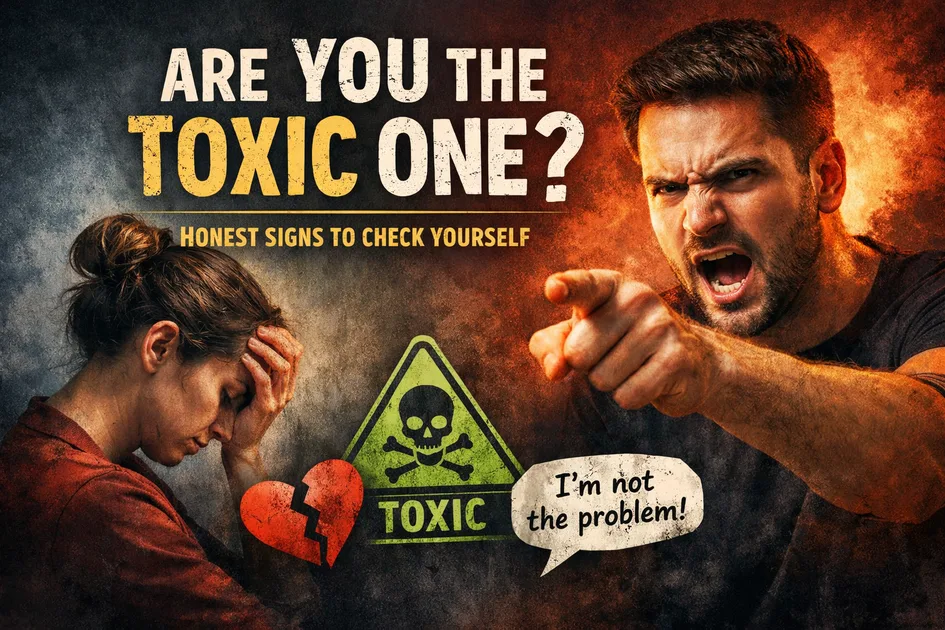
🧠 Are You the Toxic One? Honest Signs to Check Yourself (And How to Change)
Introduction: The Question Most People Avoid
It’s easy to ask:
“Why do I keep meeting toxic people?”
But harder to ask:
“Am I contributing to the problem?”
This question is uncomfortable… But also powerful.
Because the truth is:
Every relationship involves two people and two patterns.
And sometimes:
- We react poorly
- We carry unresolved issues
- We unintentionally hurt others
Not because we are bad — but because we are unaware.
If you're unsure what toxic patterns actually look like in relationships, start here: 👉 12 Signs You’re in a Toxic Relationship and What to Do Next
What This Guide Will Help You Do
- Honestly evaluate your behavior
- Identify toxic patterns (without shame)
- Learn how to grow and build healthier relationships
🧠 What Does “Being Toxic” Actually Mean?
Being toxic doesn’t mean:
- You’re a bad person
- You don’t deserve love
It means you have patterns that harm the relationship or the other person.
Important:
Toxic behavior is about patterns, not one-time mistakes.
🚩 12 Honest Signs You Might Be the Toxic One
Be open with yourself — this is for growth, not judgment.
❌ 1. You Struggle to Take Accountability
- You rarely admit when you’re wrong
- You blame your partner
Growth begins with responsibility.
❌ 2. You Get Defensive Quickly
- You feel attacked during feedback
- You shut down or argue instead of listening
This blocks communication.
❌ 3. You Need Constant Validation
- You rely on your partner for reassurance
- You feel insecure without it
This creates pressure in the relationship.
❌ 4. You Try to Control Situations or People
- Wanting things your way
- Struggling to let your partner be independent
Control often comes from insecurity.
If you're unsure whether this is control or something more serious, read: 👉 Strong vs Controlling Partner: How to Tell the Difference in Relationships
❌ 5. You Avoid Honest Communication
- You suppress feelings
- Or explode instead of expressing calmly
Both extremes are harmful.
❌ 6. You Use Silent Treatment or Withdrawal
- Ignoring your partner
- Withholding communication
This creates emotional distance.
❌ 7. You Overreact to Small Issues
- Turning minor problems into major conflicts
This creates instability.
❌ 8. You Hold Onto Past Mistakes
- Bringing up old arguments
- Not letting things go
This prevents growth.
❌ 9. You Expect Your Partner to Fix You
- Relying on them for happiness
- Expecting them to solve your issues
This creates emotional imbalance.
❌ 10. You Struggle With Jealousy or Trust
- Constant suspicion
- Fear of losing them
This can lead to controlling behavior.
❌ 11. You Don’t Respect Boundaries
- Pushing limits
- Ignoring what your partner is comfortable with
This damages trust.
❌ 12. You Feel Drained — and So Does Your Partner
- Constant conflict
- Emotional ups and downs
This signals unhealthy patterns.
If your relationship feels emotionally draining, this may help: 👉 15 Signs of Emotional Abuse (And How to Protect Yourself)
💔 Why You Might Have Toxic Patterns
Understanding this helps you change.
🧠 1. Past Experiences
- Hurt
- Betrayal
- Emotional neglect
These shape how you behave.
💭 2. Fear of Losing People
You may:
Act out of fear instead of trust.
🛡️ 3. Lack of Emotional Awareness
You may not realize:
How your actions affect others.
🔁 4. Learned Behavior
You may have seen:
Unhealthy relationships growing up.
🛠️ How to Change Toxic Patterns (Step-by-Step)
This is where real growth begins.
✅ 1. Take Honest Responsibility
Say:
“I need to improve.”
Not:
- Blame
- Excuses
🧠 2. Increase Self-Awareness
Ask yourself:
- Why did I react that way?
- What triggered me?
Awareness creates change.
💬 3. Improve Communication
Learn to:
- Express calmly
- Listen actively
Communication is a skill.
⚖️ 4. Respect Boundaries
Understand:
Your partner is a separate person.
💪 5. Build Self-Worth
Work on:
- Confidence
- Emotional independence
So you don’t rely entirely on your partner.
🧘♀️ 6. Manage Your Emotions
Practice:
- Pausing before reacting
- Thinking before speaking
Emotional control is strength.
💬 7. Apologize and Show Change
Not just:
“I’m sorry”
But:
Real change in behavior.
⏳ 8. Be Patient With Yourself
Growth takes time.
You won’t change overnight — and that’s okay.
⚖️ Toxic vs Human (Important Distinction)
Everyone:
- Makes mistakes
- Gets emotional
The difference is in the pattern.
🔴 Toxic Pattern:
- Repeated behavior
- No accountability
- No effort to change
🟢 Healthy Growth:
- Acknowledgment
- Effort
- Improvement
🧾 Self-Check
Ask yourself:
- [ ] Do I take responsibility for my actions?
- [ ] Do I respect my partner’s feelings?
- [ ] Do I communicate openly?
- [ ] Am I growing or repeating patterns?
Be honest.
🧠 Final Thoughts
Real growth begins when you ask:
“What can I improve?”
Because:
The healthiest relationships are built by people who are willing to grow.
💬 Let’s Talk
Have you ever realized something about yourself that needed to change in relationships?
🔥 Key Takeaway
Being aware of your toxic patterns doesn’t make you weak — it makes you powerful.
📚 Related Reads